| Criterion | Emergency use authorization (EUA) | FDA approval | Planning use |
|---|---|---|---|
| Purpose | Expedites review in an emergency such as a pandemic | Standard review without emergency urgency | Tells you whether a product reached people under urgency or through the ordinary route |
| Core standard | Known and potential benefits outweigh known and potential risks | The same benefit-risk conclusion, backed by substantial evidence of effectiveness | The conclusion is the same; the evidence behind it differs |
| Data behind the decision | Efficacy data gathered 2-4 months after vaccination was completed | Trial participants followed for at least six months | Approval generally rests on a larger and longer body of study data |
| Manufacturing | Not described as a distinct determination | Includes a finding that the product can be made safely and reliably at the maker’s facilities | Approval adds a production check |
| Typical timing | Fast, when no approved alternatives exist | Generally at least a couple of years | Expect authorization to arrive first in a crisis |
Figures are drawn from Norton Healthcare’s patient explainer and Those Nerdy Girls’ EUA explainer.
FDA approval vs emergency use authorization comes down to the amount of data behind a similar benefit-risk conclusion: an EUA rests on less evidence during an emergency, while full approval rests on more, plus a manufacturing review.
The right reading depends on the situation in front of you, whether that is a vaccine appointment, a test kit or a news headline. For wider coverage of regulatory stories, see medical news today.
The standard each status must meet
An EUA can be granted when the FDA finds that the known and potential benefits of a product outweigh its known and potential risks, according to Norton Healthcare. Those Nerdy Girls describe the same review as weighing the product’s potential benefit to the public against its potential risks, with the FDA taking into account that no other approved alternatives are available.
Full approval does not use a different yardstick of safety. Norton Healthcare states that approval requires the same conclusion as an EUA but with more data backing it, and that the differences between the two for a vaccine mostly relate to the quantity of data from studies. Those Nerdy Girls add that approval follows when the FDA receives substantial evidence that the product is effective.
So the practical difference is evidential depth, not a looser or stricter definition of acceptable benefit. A reader who treats an EUA as a lower-quality label may be overreading it. A reader who treats it as identical to approval may be skipping the extra data and manufacturing review that approval adds.
When an emergency makes EUA the practical route
EUA exists to make medical products, including diagnostic tests, therapeutics and vaccines, available quickly, as Those Nerdy Girls explain. It suits a situation where waiting for a standard review would leave people with no approved option.

In the vaccine example described by that source, efficacy data had accumulated 2-4 months after people completed vaccination when the EUA decision was made. The FDA also keeps evaluating safety and efficacy data in the general public after an EUA product is deployed, so the decision is not the end of scrutiny.

Tradeoffs of relying on an EUA product
- Speed: access arrives while a crisis is still unfolding, rather than after a review that would generally take at least a couple of years.
- Thinner evidence: the decision rests on a smaller body of study data than approval, even though the benefit-risk conclusion is the same.
- Gap filler: the route is aimed at situations with no available approved alternatives, so it is a poor basis for comparing against an approved product that already does the same job.
When full approval is the status to look for
Full approval is the outcome of a standard review in which the FDA receives substantial evidence of effectiveness and concludes that benefit outweighs risk. Norton Healthcare adds that approval includes a determination that a vaccine can be produced safely and reliably in the maker’s manufacturing facilities. It also notes that clinical trial participants are followed for at least six months.
That extra layer matters most to people making a non-urgent choice, such as a clinician comparing options when an approved product exists. In that case the approval label signals a more complete evidence file, including how the product is made.

Tradeoffs of waiting for approval
- Fuller evidence: a longer follow-up and a manufacturing determination give more to examine.
- Slower availability: in a fast-moving emergency, waiting for the ordinary route can mean waiting without any option.
- Same bar for benefit: approval does not mean the benefit-risk test was different, only that more data supports it.
Diagnostic tests and devices
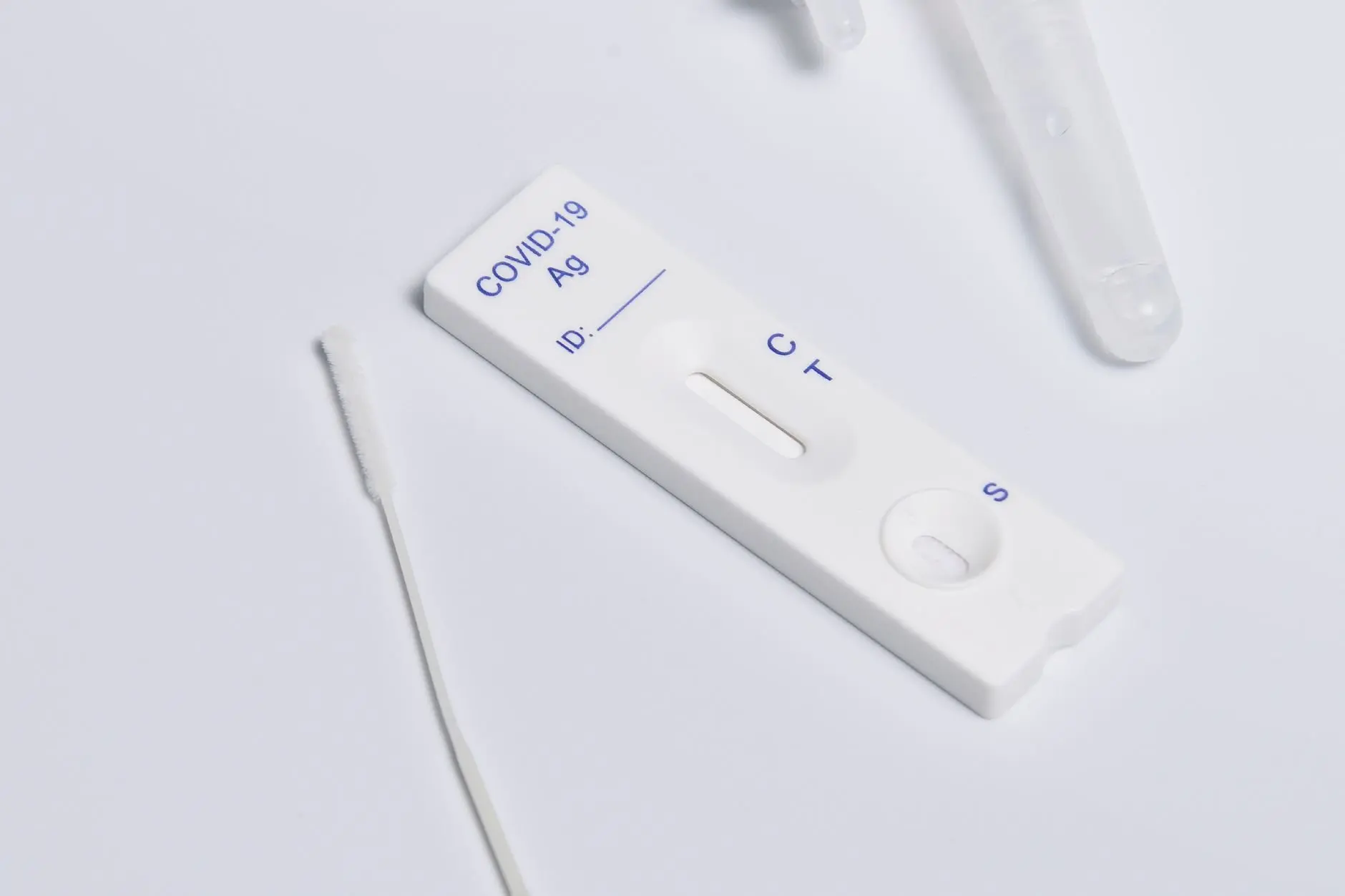
EUA is not limited to vaccines. Because it covers diagnostic tests as well as therapeutics, a boxed test kit on a pharmacy shelf may be sold under authorization rather than approval. The same benefit-risk reasoning applies, with the product made available quickly while approved alternatives are lacking.
Device wording deserves care. Terms such as cleared are separate device labels, so do not assume they mean approved. Check the exact status wording in the FDA’s listing for the specific product, and read an EUA label as the emergency-authorization status described above.
Moving from authorization to approval
An EUA product can later receive full approval. Those Nerdy Girls explain that manufacturers file separately for approval through a Biologics License Application (BLA), and that more data accumulating after deployment feeds into that process. In their discussion of EUA vaccines, they wrote that they expected these vaccines to receive full FDA approval eventually.
An EUA is therefore a stage, not a verdict. When a product you are tracking holds an EUA, the useful question is whether a BLA has been filed and what the FDA has concluded about it. To inspect the studies behind either status, how to find clinical trial results shows where trial data is published. Readers comparing other routes that shorten the path to approval can start with FDA accelerated approval explained.
Frequently asked questions
What is the difference between FDA approval and emergency use authorization?
The two differ mainly in the amount of data supporting the decision. Authorization expedites review in an emergency, while approval comes with more study data and a manufacturing determination.
What legal standard must a product meet for an EUA?
The FDA must find that known and potential benefits outweigh known and potential risks, with attention to whether approved alternatives exist.
Can an EUA product later get full approval?
Yes. The manufacturer files a Biologics License Application, and the FDA continues to evaluate safety and efficacy data from public use in the meantime.
What is full approval?
Full approval is the FDA’s conclusion, based on substantial evidence of effectiveness, that a product’s benefits outweigh its risks. For a vaccine it also includes confirmation that the product can be made safely and reliably.