Quick answer: To learn how to read a medical study, read the abstract for orientation, then the methods, then the results, and only then the conclusions. The abstract alone is a quick overview, not enough to judge the study.
Readers who meet a headline in medical news today can use the order below to check the claim against the paper itself.
Choosing where to start
The right starting point depends on what you want from the paper. A non-expert does not need to read every section in the order printed.
- Checking a news headline. Find the original study first. Library guidance from Sarah Lawrence College advises tracing a claim to its source and checking bias, sample size and study type, because the media may misrepresent conclusions.
- Getting oriented quickly. Read the abstract, then jump to the methods. Together they show what was asked and how it was tested.
- Short on time. Look for a well conducted systematic review or meta-analysis on the topic. A guide to searching PubMed notes these can save a lot of time compared with reading individual studies.
- Judging whether a result holds up. Read the results and the limitations before the authors’ conclusion, so you form your own view first.
Parts of a medical research paper
Most biomedical journals require the IMRaD structure: Introduction, Methods, Results and Discussion. Knowing what each part is for tells you what to look for in it and what to skip on a first pass.
| Section | What it contains | Planning use |
|---|---|---|
| Abstract | Concise summary of objectives, methods, key findings and conclusions | Read first for orientation; do not stop here |
| Introduction | Why the study was conducted | Skim to see the question being asked |
| Methods | Study design, sample size, data collection and statistical analysis | Read closely; this is where weak design shows |
| Results | What happened, reported with p-values and confidence intervals | Compare against the abstract and any news claim |
| Discussion | Main finding, comparison with other work, possible explanation, clinical implications, strengths, limitations and conclusion | Read the limitations before the conclusion |
| References | Sources the authors relied on | Use to find related studies and gauge credibility |
Descriptions of these sections follow an IMRaD explainer and a guide to reading medical papers.
Scholarly articles also commonly include a literature review and a reference list, so expect more than four blocks of text. The IMRaD parts are the ones that carry the evidence.
Reading the abstract without being misled
The abstract summarises the study’s objectives, methods, key findings and conclusions. It gives a quick overview but is not enough to understand the study in detail.
Use it to answer three questions: what was the question, who or what was studied, and what did the authors say they found. Then treat the last of those as a claim to test. Authors may overstate findings or downplay limitations, and an abstract is the place where that is easiest to do in a single sentence.
If a news story repeats a striking phrase from the conclusion, note it and carry it into the methods and results rather than accepting it from the abstract.
Finding the original paper on PubMed
PubMed is a large, free, open-access online database of medical research. A single keyword search can return a lot: one example in a PubMed search guide produced over 1,800 results.
The site lets you filter results in several useful ways, including article type, year and text availability. A practical approach is to search the key terms from the news story, filter to the article type that matches the claim, and prefer papers with the full text available so you can read beyond the abstract.
Once you have the paper, check that its subject, population and year match what the news report described. A mismatch there is an early warning before you read any further.
Methods section: who was studied and how
The methods section describes how the study was conducted, including design, sample size, data collection and statistical analysis. It should be detailed enough that another researcher could repeat the work.
Non-experts can still ask plain questions of it. Was this original research or a review of earlier work? How many participants took part? Were participants randomly allocated into groups, as in a randomised controlled trial, or simply observed?
Design affects how far a finding can be trusted. For how trials are staged and what each stage can show, see clinical trial phases explained.
Results section and tables
Results simply report what happened; interpretation belongs later. That makes this section the best place to test a headline, because it is the least filtered account in the paper.
Look for p-values and confidence intervals, which report statistical significance. Then read the tables for the actual numbers behind any statement in the abstract, and check that the outcome measured is the one the news story talks about.
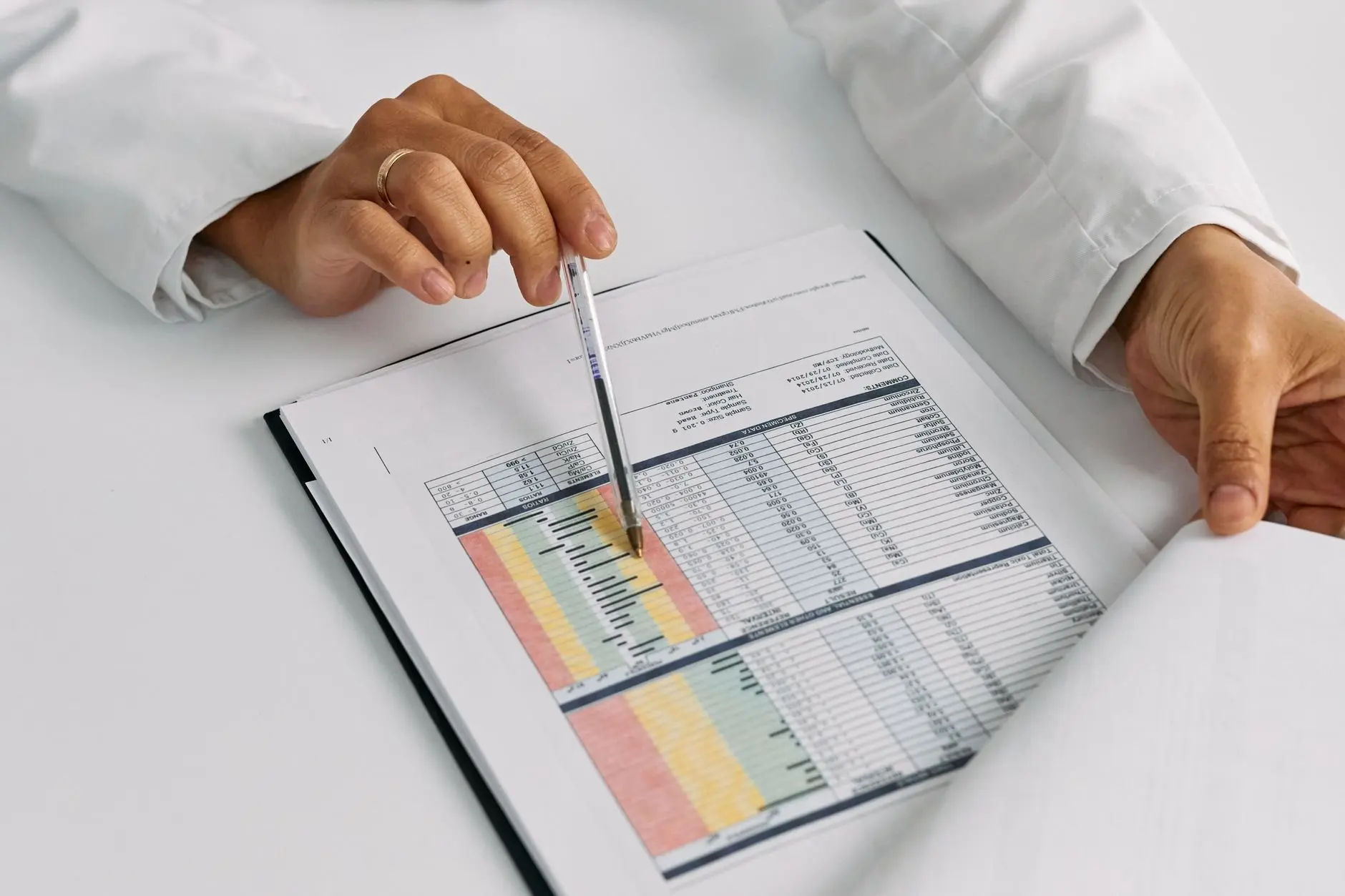
If the results table and the abstract describe the outcome differently, trust the table and read the discussion to see how the authors explain the gap.
Limitations and whether the conclusion matches the data
A discussion typically covers the main finding, comparison with the literature, a possible explanation, clinical implications, strengths, limitations and the conclusion. Read the limitations before the conclusion.
Then ask the simple question: do the conclusions align with the results? A conclusion that goes beyond the measured outcome, the studied group or the study design is a sign the headline may have gone further still. The same checks apply when a story compares drugs, including claims about biosimilar vs generic drugs.
Primary sources and tracing claims
A primary source in medical research reports original findings. Library guidance describes an empirical study as an article structured around original research findings, while a literature review employs or analyses previously published scholarship.
In practice, a randomised trial report is a primary source. A news story about it is not, and a review of many studies is a secondary synthesis. Peer review, in which other scholars or experts review an article before it is accepted for publication, applies to scholarly articles but does not replace your own reading.
The reference list helps you find additional studies on the topic and gauge credibility. If a key statement has no traceable reference, treat it as the authors’ opinion rather than established evidence.

Checking a news claim against the paper
Follow this order when a story makes a specific claim.
- Find the original study named or implied in the story, using the PubMed filters above.
- Read the abstract to see what the authors say they found.
- Read the methods to see who was studied and how.
- Compare the results tables with the claim in the story.
- Read the limitations, then the conclusion.
- Check the references for other studies pointing the same way.
When the story and the paper disagree
Trust the paper’s results over the story’s summary. Library guidance warns that the media may misrepresent conclusions, so a mismatch is common enough to expect, not a reason to discard the research.

When the full text is not available
Use the text availability filter in PubMed to look for a free version. If only the abstract is available, treat the finding as provisional, since the abstract is not enough to understand the study in detail.
Frequently asked questions
Is a paper automatically reliable because it is on PubMed?
No. The National Library of Medicine notes that inclusion in an NLM database does not imply endorsement. Judge the paper by its methods, results and limitations.
Is one study enough to settle a question?
Usually not. Library guidance says drawing concrete conclusions from only one study can be problematic, so look for reviews and related studies in the reference list.
How are levels of evidence ordered?
The PubMed guide arranges evidence from strongest to weakest, with systematic reviews of randomised controlled trials ranked strongest.