What is peer review in medical journals? It is the process in which experts in the same field assess a manuscript’s quality, relevancy and accuracy before publication. It filters work; it does not prove a study is correct.
For wider context on how findings reach readers, see the latest coverage in medical news today, then apply the checks below to any study that catches your eye.
How peer review works, stage by stage
Peer review is a screening step between a finished manuscript and a published article. A library guide from DeMontfort University describes it as the process by which research is assessed for quality, relevancy and accuracy. The same guide notes that manuscripts are usually reviewed anonymously by a group of experts, meaning peers in the same field of study. The guide compares the process to quality control: its purpose is to let readers trust the scholarship.
The stages follow a consistent order, although each journal sets its own details.
- Submission. Authors send a manuscript to a journal, which checks that it fits the journal’s scope.
- Assignment. Editors invite experts in the same field to assess the work.
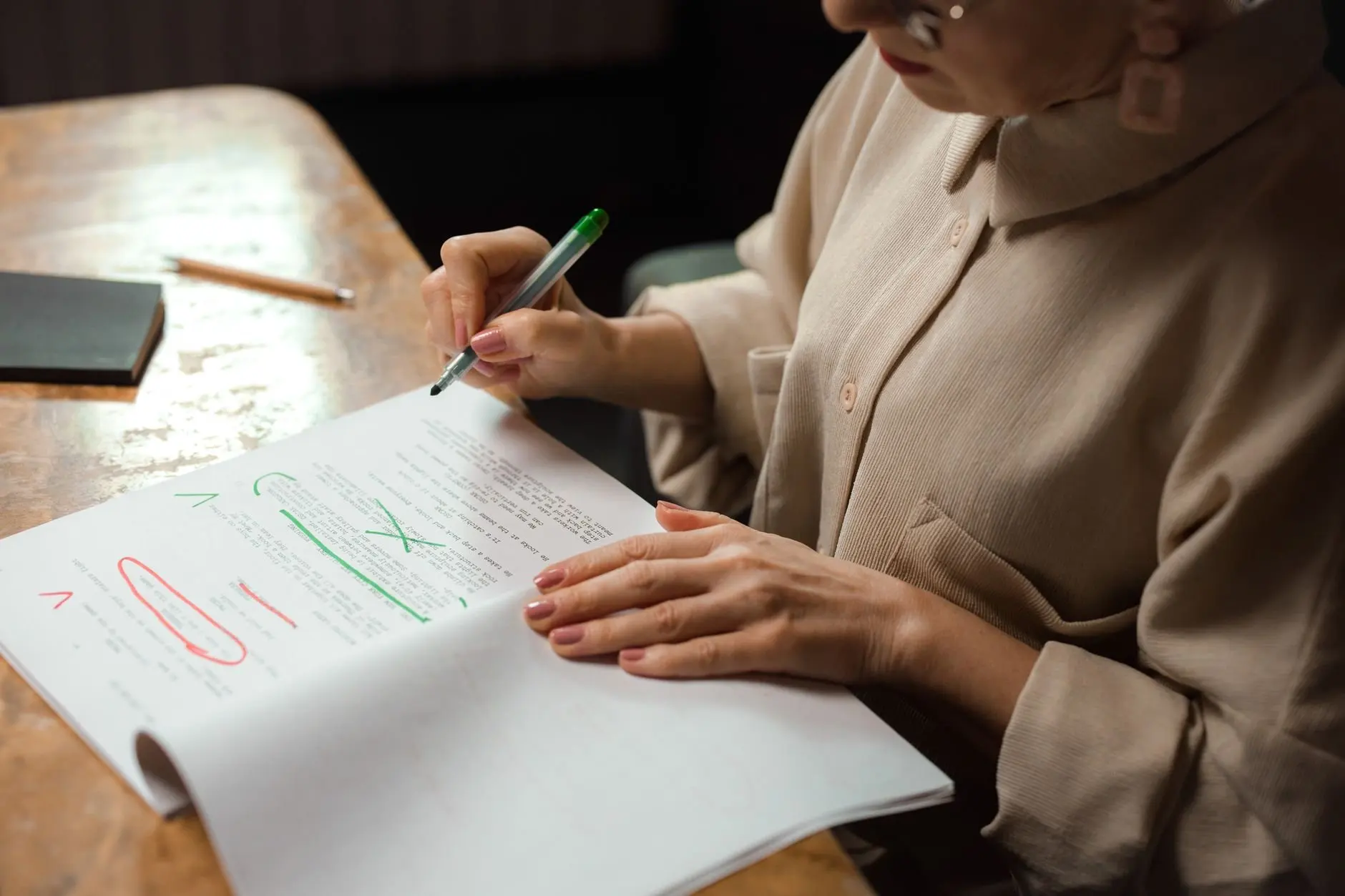
- Assessment. Reviewers read the manuscript and judge its quality, relevancy and accuracy.
- Recommendation. Reviewers send editors their view on whether to publish.
- Decision and revision. Editors decide, and authors may be asked to revise and respond to the comments.
Because the reviewers’ view comes in the form of written comments on a draft, a published paper has usually been questioned and changed at least once before readers see it.
Single-blind and double-blind models
Journals differ in who is anonymous. In a double-blind model, the author and the reviewer do not know each other’s identity. One journal’s published peer review policy states that it uses a double-blind process, meaning authors do not know who is reviewing their work. Other journals anonymise only the reviewers, so the policy page is the place to confirm which model applies.
Blinding is a safeguard against bias, not a guarantee. The same policy admits that reviewers can sometimes guess who wrote a paper from its topic or methodology. A narrow research area, or a distinctive method, makes guessing easier. Treat anonymity as reducing the influence of reputation, not removing it.
Reviewers, editors and the editorial board
Reviewers and editors do different jobs. A paper indexed in PubMed on the reviewer’s role says reviewers play key roles in manuscript processing and publication, serving as a gatekeeper who makes publication recommendations and as a consultant who helps authors improve the work. The gatekeeper role serves the journal, while the consultant role serves the paper.
The editorial board sits above this process. The journal policy cited above says its reviewers are external to the editorial board, and that the final decision rests with the editors, although reviewer input is central to that decision. A reviewer therefore advises, and the editors decide. When a journal lists its board members and describes how they use outside reviewers, readers can see where responsibility lies.
What reviewers check
Reviewers work from questions about the manuscript in front of them. The journal policy cited above lists several. Reviewers ask whether the discussion honestly addresses limitations. They also ask whether appropriate ethical approval was obtained and whether informed consent is documented. Conflicts of interest are part of the same scrutiny: reviewers are asked to flag their own before they begin, and the manuscript’s disclosures are assessed too.
These are checks of reporting and conduct as the authors describe them. A reviewer who confirms that ethics approval is stated has confirmed that the paper says so, which is a useful signal but a limited one. Study design is a separate question from review: whether a finding comes from a trial or from observation shapes how far it can be trusted, as the explainer on randomized controlled trial vs observational study shows.
What peer review cannot catch
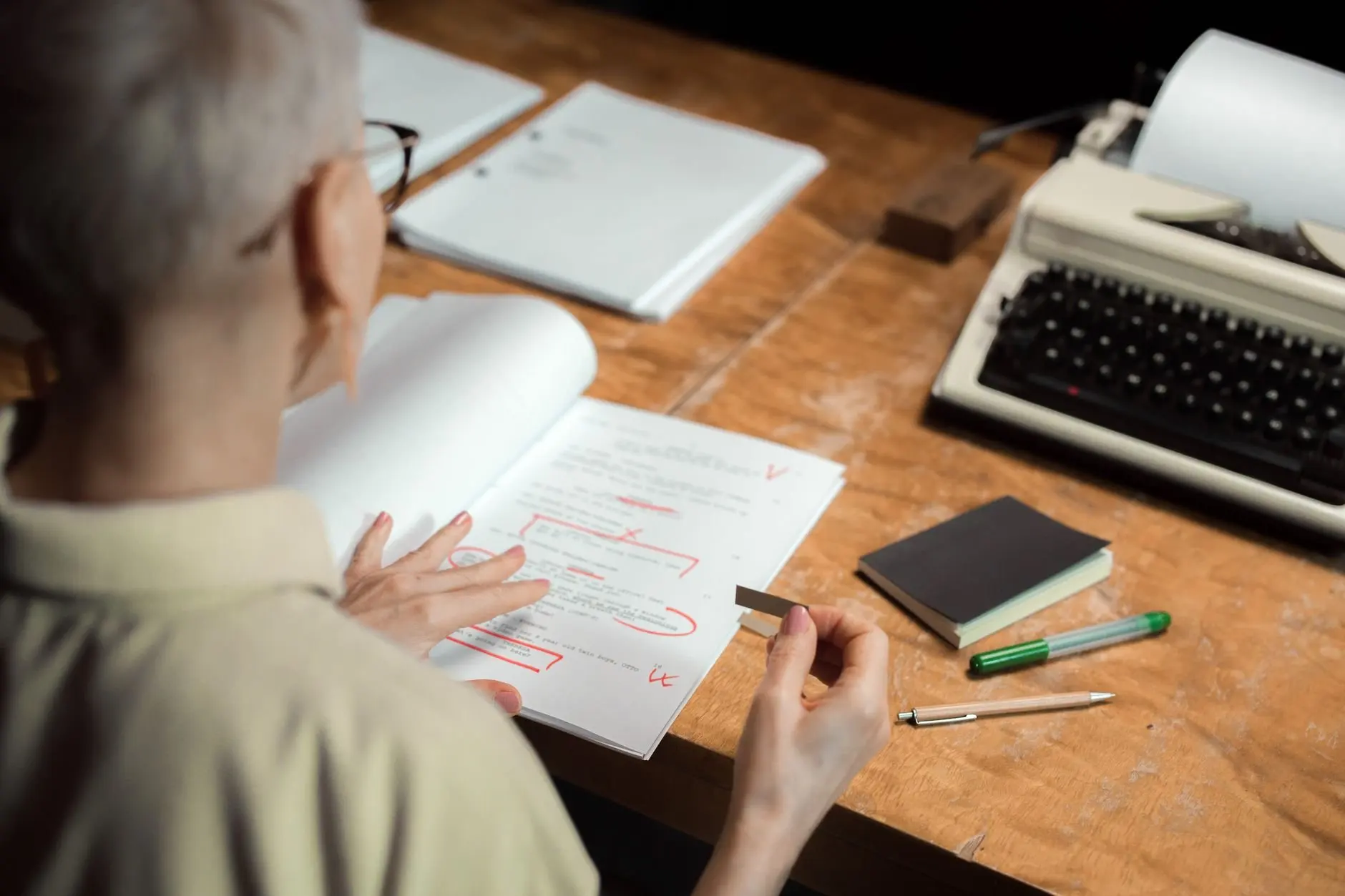
Peer review limitations follow from the process itself. Reviewers are experts reading a manuscript, and the checks above concern the manuscript’s content and its stated conduct. The limits below come from that design.
- Anonymity can leak. Reviewers can sometimes guess an author from the topic or methodology, so blinding cannot fully remove bias.
- Conflicts depend on disclosure. The policy asks reviewers to flag conflicts before assessing a paper, which relies on people declaring them.
- Candour is judged on the page. Asking whether the discussion honestly addresses limitations tests what authors chose to write, not what they left out.
- Decisions are human. Reviewer input is central, but the final decision rests with editors, so quality varies with the editors’ standards.
The practical point is that reviewers recommend and journals decide. A weak journal can run a process that carries the label without the substance.
Does peer reviewed mean a study is correct?
No. Peer review assesses quality, relevancy and accuracy, and the DeMontfort University guide frames it as quality control that helps readers trust scholarship. Quality control reduces the chance of obvious flaws reaching print. It does not certify every result.
Read a peer-reviewed label as a minimum standard that a paper passed, then judge the evidence itself: the design, the size and type of study, and whether the authors state their limitations. Early findings shared before review belong in a separate category, which the guide on what is a preprint medical research addresses.
A short routine for judging a journal
How to check if a journal is reputable comes down to reading what the journal says about its own process. The checks below use the same features discussed above, applied to the journal’s website.
- Find the peer review policy. A journal that relies on review should describe it plainly and publicly.
- Identify the model. Look for whether the policy says double-blind or another arrangement, and whether it admits that blinding has limits.
- Look for outside reviewers. A policy that states reviewers are external to the editorial board, and that editors take the final decision, shows who is accountable.
- Check the ethics and conflict language. Look for expectations on ethics approval, documented consent and flagged conflicts.
- Read the paper’s limitations section. A candid discussion of limitations is something reviewers are asked to look for, so its absence is a warning.
Finding all five does not make a journal trustworthy by itself, but missing several is a reason to look for the same finding elsewhere before relying on it.
Frequently asked questions
How long does a review take?
One journal’s policy asks reviewers to finish within an agreed timeframe, typically two to three weeks, according to its published peer review policy. Other journals set their own windows.
How many reviewers read a paper?
The same journal typically assigns two reviewers to each manuscript and seeks a third opinion if their views diverge. Editors then make the final call.
Do reviewers have to declare conflicts of interest?
At that journal, reviewers are asked to flag any conflicts before they begin their assessment. Readers can look for similar wording in any journal’s policy.